
 020 3744 2205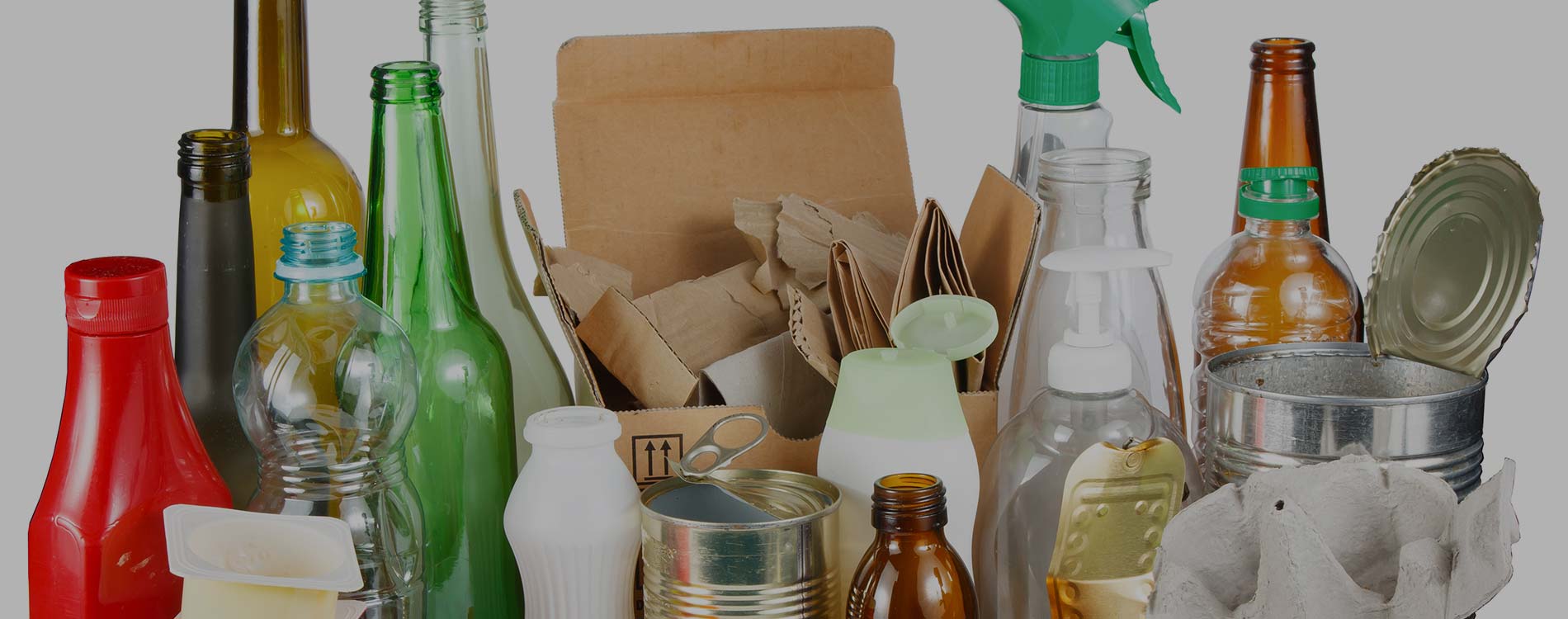


Home Hacks for Cutting Down on Waste
Posted on 19/08/2025
Home Hacks for Cutting Down on Waste: Eco-Friendly Living Made Easy
In our ever-busy modern lives, it's easy to overlook the amount of waste we produce at home. However, simple home hacks for cutting down on waste can pave the way towards a more sustainable, eco-friendly lifestyle. This detailed guide covers practical steps, creative solutions, and everyday tips to help you minimize household waste for a cleaner home and a greener planet.
Why Should You Reduce Household Waste?
Before diving into actionable hacks, let's understand the importance of waste reduction. Cutting down on waste at home:
- Lowers environmental impact by reducing landfill contributions and conserving resources.
- Saves money through efficient resource use and smart purchasing.
- Improves health by decreasing household clutter and exposure to chemicals and pollutants.
- Supports local economies when buying local, seasonal, and unpackaged products.
Implementing smart waste-reducing home hacks benefits you, your wallet, and the planet. So, how do you get started?

1. Mindful Purchasing: The Cornerstone of Waste Reduction
Buy Only What You Need
- Always make a shopping list and stick to it to avoid impulse purchases.
- Check your pantry and fridge before heading to the store to prevent overbuying.
- Plan meals weekly to use up ingredients and prevent food waste.
Choose Minimal Packaging
- Opt for products with the least amount of packaging, preferably recyclable or compostable materials.
- Bring your own bags and containers for groceries, bulk foods, or deli items.
- Favor stores that encourage zero waste shopping by providing refill stations.
2. Hack Your Kitchen: Waste-Less Cooking and Storage
Store Food Smartly
- Use transparent containers to see leftovers and prevent spoilage.
- Label and date all items in your freezer or fridge.
- Organize your pantry so that you use older products first ("first in, first out" rule).
Master Leftovers
- Repurpose cooked food into new meals--think stir-fry, casseroles, soups, or wraps.
- Freeze perishable leftovers for future use instead of tossing them.
- Get creative with food scraps:
- Vegetable peels can add flavor to homemade broth.
- Stale bread becomes croutons or breadcrumbs.
- Fruit that's past its prime is perfect for smoothies or baking.
3. Composting: Turn Food Waste into Garden Gold
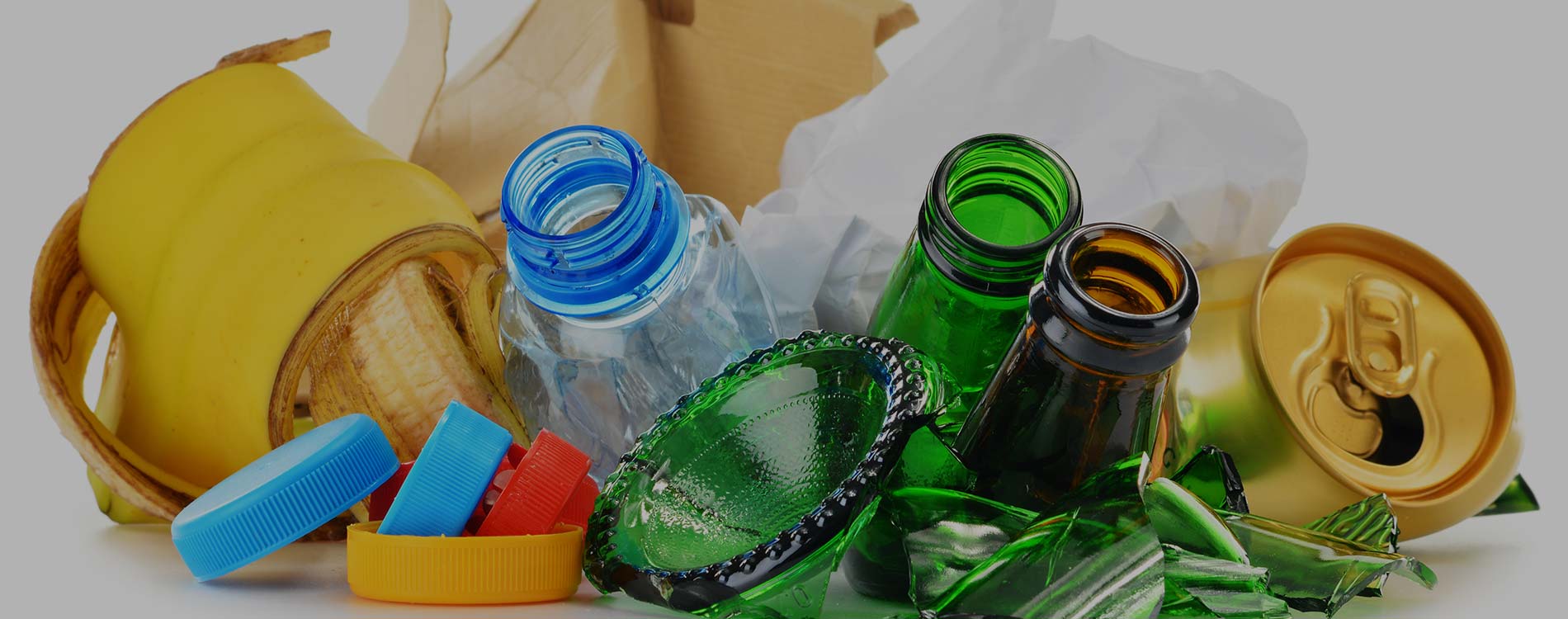
Composting is a powerful way to convert kitchen scraps and yard trimmings into nutrient-rich soil, reducing home food waste that would otherwise end up in a landfill.
Start Simple with Composting
- All you need is a compost bin or a simple heap in your backyard.
- Include fruit and veggie scraps, coffee grounds, eggshells, and shredded paper.
- Avoid composting meat, dairy, and oily foods (they attract pests and slow the process).
Apartment-Friendly Compost Hacks
- Use vermicomposting--composting with worms, which works well in small indoor bins.
- Check if your community has a collection point for food waste.
4. Rethink Household Products: Go Reusable
Switch Single-Use for Multi-Use
- Use reusable shopping bags, produce bags, and containers.
- Choose glass, metal, or silicone over plastic for kitchen storage.
- Replace paper towels with washable cloths or old t-shirts cut into rags.
Eco-Friendly Cleaning Hacks
- Create DIY cleaners from vinegar, baking soda, and lemon.
- Use refillable spray bottles instead of buying new every time.
- Invest in reusable mop heads and sponges that last longer.
5. Smart Waste Sorting and Recycling
Master Recycling at Home
- Know what your city collects and follow local sorting rules.
- Clean recyclables before tossing them in the bin--food residue can contaminate whole batches.
- Break down cardboard boxes to save space and make processing easier.
Go Beyond the Bin
- Research local drop-off points for hazardous waste, e-waste, and batteries.
- Donate gently used items to charities or thrift stores instead of throwing them away.
- Upcycle glass jars, tins, or fabric for storage, crafts, or plant pots.
6. Clothing, Toys & Electronics: Repurpose and Donate
Rehome What You Don't Need
- Organize a swap with friends or local groups for clothes, books, or toys.
- Donate items in good condition to community shelters or charities.
- Host a yard sale to give a second life to old furniture and household goods.
Repurpose Creatively
- T-shirts can become cleaning rags, bags, or quilts.
- Broken dishes transform into mosaic art projects.
- Even electronics like cell phones and computers are often accepted by recyclers--don't let them gather dust!
7. Reduce Paper and Junk Mail
Go Digital
- Switch to paperless bills, statements, and receipts whenever possible.
- Use note-taking apps, digital calendars, and online planners to minimize paper clutter.
- Cancel subscriptions to unwanted magazines and catalogs.
Block Unwanted Mail
- Register with opt-out services to reduce junk mail.
- Recycle or shred sensitive paper waste.
- Reuse envelopes and blank sides of paper for notes or shopping lists.
8. Bathroom & Laundry Room Waste Hacks
Sustainable Switches in the Bathroom
- Choose bar soaps and solid shampoos to avoid plastic bottles.
- Use bamboo toothbrushes and biodegradable floss.
- Replace single-use cotton pads with washable cotton rounds.
Eco-Friendly Laundry Practices
- Wash clothes in cold water to save energy and preserve fabrics.
- Use concentrated detergents or make your own in reusable containers.
- Dry clothes outdoors to skip the dryer and conserve electricity.
- Repair torn clothing or upcycle them rather than discarding.
9. Garden and Outdoor Waste Reduction
Grow Your Own Food
- Start a vegetable patch or herb garden--even small balconies work!
- Compost garden clippings and leaves along with kitchen green waste.
Sustainable Yard Maintenance
- Use manual tools instead of gas-powered equipment to cut emissions.
- Collect rainwater for watering plants.
- Share or rent specialty tools instead of buying--reducing clutter and resource use.
10. Educate and Involve Your Household
Make Waste Reduction a Family Habit
- Teach kids to recycle and compost by setting up labeled bins.
- Encourage creative crafts using recyclable or rescued materials.
- Celebrate milestones--like weeks without food waste or using up all leftovers.
Stay Motivated
- Track progress--how many bags of trash are avoided each month?
- Join online communities or local groups for tips and encouragement.
- Share your success and inspire others in your neighborhood or on social media.
Common Mistakes to Avoid When Reducing Waste at Home
- Trying to do too much, too quickly: Pace yourself and focus on one change at a time.
- Overbuying "eco" products--sometimes using what you have is greener than buying new.
- Neglecting to educate householders or kids--waste reduction is a team effort!
- Forgetting to check what's really recyclable in your area--avoid "wish-cycling."

Frequently Asked Questions About Home Waste Reduction
What's the easiest way to begin cutting household waste?
Start small by bringing reusable bags to the store, switching to refillable water bottles, and sorting recyclables properly.
Can you really make a difference as one household?
Absolutely! While individual efforts may seem tiny, if everyone made a few simple changes, the collective impact would be enormous. Plus, waste reduction often motivates friends and family to join in.
Are "zero waste" products worth it?
Some zero-waste swaps are worth the investment (like sturdy produce bags or beeswax wraps), but the goal isn't perfection. Focus on progress, reduce first, reuse next, recycle as a last resort.
Conclusion: Your Home Waste Revolution Starts Now
Cutting down on household waste doesn't require a radical lifestyle overhaul. With just a few thoughtful swaps and by adopting some of these effective home hacks for reducing waste, you'll be well on the way to a tidier home and a healthier planet. Start with one change this week--whether it's composting your coffee grounds, reusing cloth bags, or cooking inventively with leftovers--and watch the momentum build!
*Every step counts. By incorporating these simple waste-reduction hacks into your daily routine, you'll lower your carbon footprint, inspire your community, and even save money along the way. Happy waste-cutting!
```Latest Posts
Discovering How Waste Has Been Managed Over the Ages
Transforming Plant Pot Disposal into an Eco-Friendly Practice
Community initiatives for recycling obsolete chargers
A Guide to Implementing Recycling in Educational Institutions